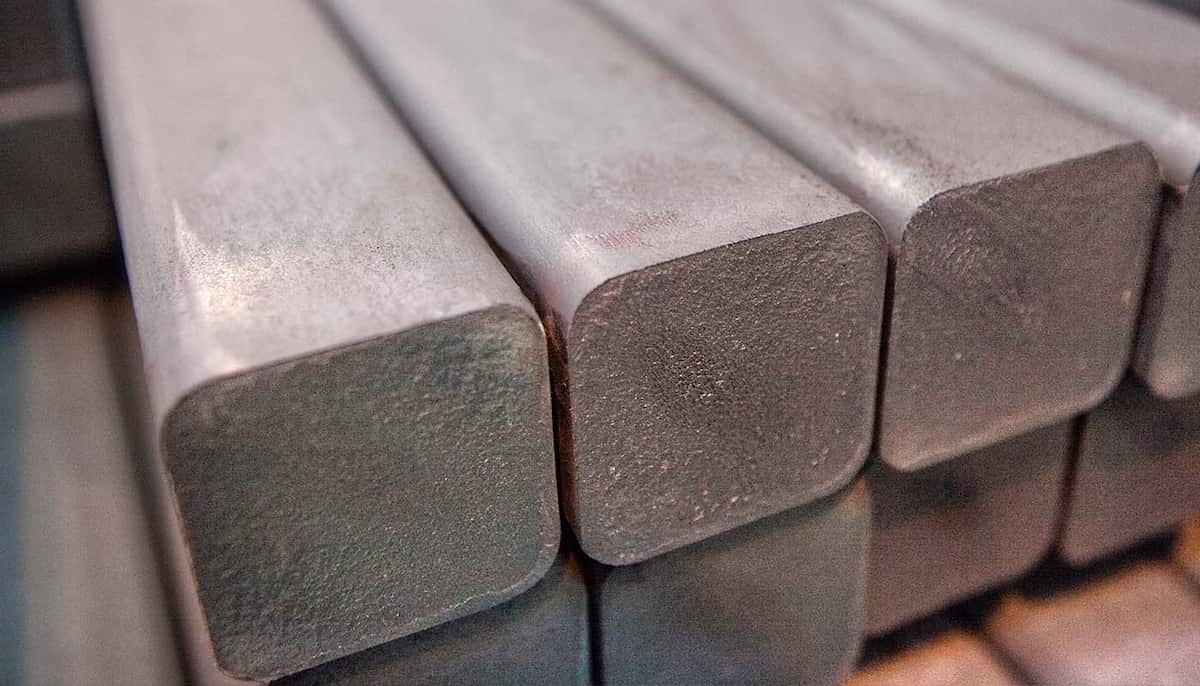
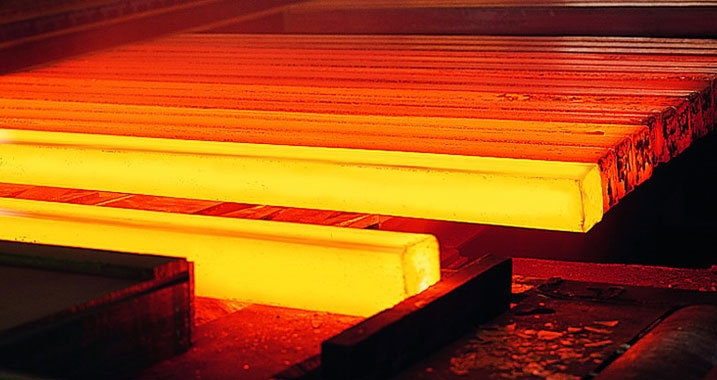
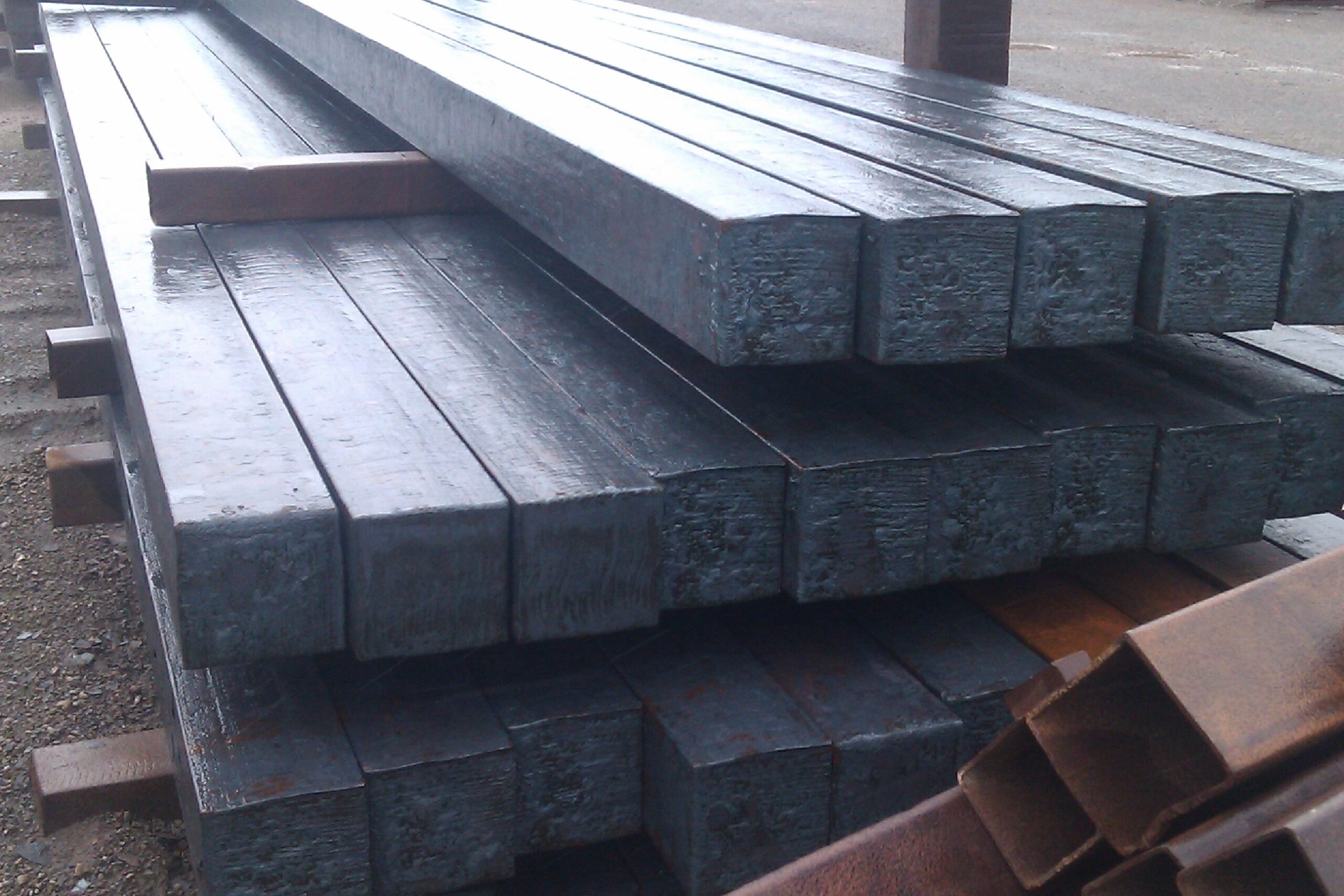
Introduction: The steel which is made freshly, and is still in the form of a rectangle or a metal bar, is referred to as steel billet. Steel has to be processed into more useful pieces first, before its products get sold into the market. In its pure form, raw steel will not be of any use, so it must be cast into the shape.
Application: Billets (sometimes referred to as ingots) are not of functional usage till they are formed into more practical shapes and sizes. Although they have been put in the steel furnaces, still, they need an operation series of molding and shaping such as cold and hot process, milling and cutting prior to being sold in the shops, or being used for various applications. However, the unformed billets, can be used in strike currency such as coins and as reserves, same as the gold bars.
Process: Before being used for different purposes, Steel billets have to sustain a chain of production processes whereas they are fresh raw material. Billets are produced through freezing molten liquid, and then exposed to intensely low temperature in order for letting the metal be shaped and strengthened in chemical formation. The physical specifications of the metal are manipulated by the temperature which can increase its persistence and strength. The next processes will prepare the metal’s curved mold design in a way that it can adapted to the assigned space furnished by other machines, which finish the final procedures.